
When your car reaches the end of its life, you’re faced with a choice: scrap it, sell it for parts, or trade it in. Each option has its pros and cons, and the decision often comes down to a balance between time, money, and convenience.
For drivers in Birmingham, Solihull, and across the West Midlands, knowing which route will give you the best value can save you hundreds of pounds and a lot of hassle.
In this blog, Scrap Car Birmingham breaks down the three main options, explains the advantages and disadvantages of each, and helps you decide which makes the most sense for your situation.
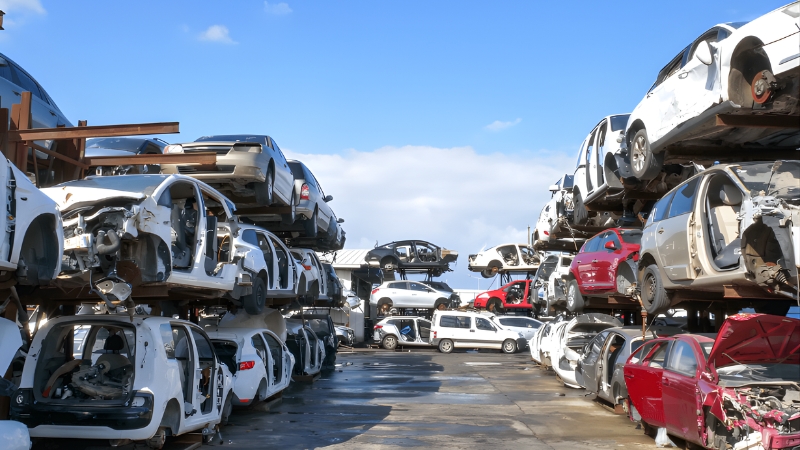
Scrapping a Car
Scrapping is often the fastest and most straightforward solution when your car is no longer roadworthy or worth repairing.
Benefits of Scrapping
- Speed & Convenience: Arrange free collection, get a guaranteed quote, and receive instant payment.
- Legal & Safe: Licensed Authorised Treatment Facilities (ATFs) handle all paperwork and recycling in compliance with the DVLA.
- Guaranteed Value: Even a non-running car still has scrap metal value.
Downsides of Scrapping
- If your car is in decent condition, scrapping might not achieve as much money as selling it privately.
- Emotional attachment: some drivers feel reluctant to scrap a car they’ve had for years.
👉 Best For: Cars that have failed MOTs, suffered significant damage, or are simply uneconomical to repair.
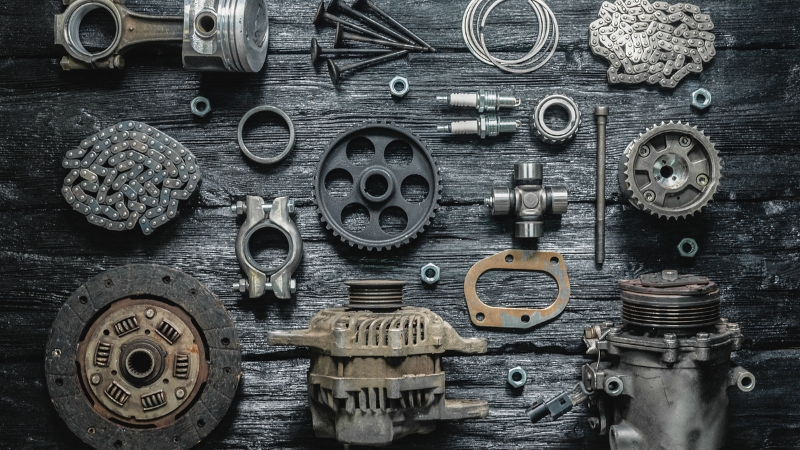
Selling a Car for Parts
Benefits of Selling for Parts
- Potentially Higher Return: Engines, gearboxes, and alloy wheels can sell for decent money if in good condition.
- DIY Opportunity: For skilled mechanics, breaking a car can be profitable.
Downsides of Selling for Parts
- Time-Consuming: Dismantling, storing, listing, and selling parts can take weeks or months.
- Legal Considerations: Selling parts without proper disposal of fluids or shell may breach environmental laws.
- Uncertain Market: Some parts sell quickly, others may not sell at all.
👉 Best For: Enthusiasts or mechanics with time, space, and knowledge to strip and sell.
Trading In a Car
If your car is still running, you may be able to trade it in at a dealership as part of buying a new or used vehicle.
Benefits of Trading In
- Convenience: Hand over your old car and drive away with a new one in the same transaction.
- Immediate Discount: Value is taken directly off the cost of your new car.
- No Advertising Hassle: No need to list privately or negotiate with buyers.
Downsides of Trading In
- Low Offers: Dealers often give less than the car’s real resale or scrap value.
- Limited to Purchases: You can’t trade in unless you’re buying another car.
👉 Best For: Roadworthy cars with some life left, especially when upgrading to a new vehicle.
Scrap vs Parts vs Trade-In: Which Should You Choose in Birmingham & Solihull?
Here’s a quick comparison to help you decide:
- Scrap: Fast, legal, guaranteed payment, best for cars with little resale value.
- Parts: Higher potential return, but very time-intensive and uncertain.
- Trade-In: Convenient when buying another car, but often the lowest value.
For most drivers in Birmingham and Solihull, scrapping with a trusted local company like Scrap Car Birmingham offers the best balance of speed, safety, and value.
FAQs: Deciding What to Do With an Old Car
1. Is scrapping my car always the cheapest option? No. Scrapping provides guaranteed value, but if your car is roadworthy, you might get more by trading it in or selling privately.
2. Can I strip parts off before scrapping my car?
Yes, but the car’s value will drop if major parts like wheels or engines are removed.
3. Do I need a logbook (V5C) to scrap a car?
No. You can scrap without a logbook if you have proof of ID and ownership. See the DVLA guidance for details.
4. How much is a scrap car worth in Birmingham?
It depends on the weight, make, and market prices. On average, expect £150–£400.
5. Can I trade in a car that’s not roadworthy?
Most dealers will only accept cars that run, so non-runners are usually better scrapped.
Conclusion: Make the Right Choice for Your Old Car
When deciding whether to scrap, sell for parts, or trade in, it comes down to your car’s condition and how much time you’re willing to invest.
For drivers in Birmingham, Solihull, and the West Midlands, scrapping with Scrap Car Birmingham is usually the most reliable and convenient choice. With free collection, instant payments, and transparent quotes, we make it simple to get the best value for your vehicle.
📞 Call today for a free scrap car quote